This sihoo doro c300 pro review looks at a mesh office chair built around movement and adjustability, including a tracking backrest, adaptive lumbar support, and soft 6D armrests.
It may suit people who spend long stretches at a desk and want to tune the chair to their posture throughout the day.
Doro C300 Pro Review Summary
The quick verdict
1,000+ ratings
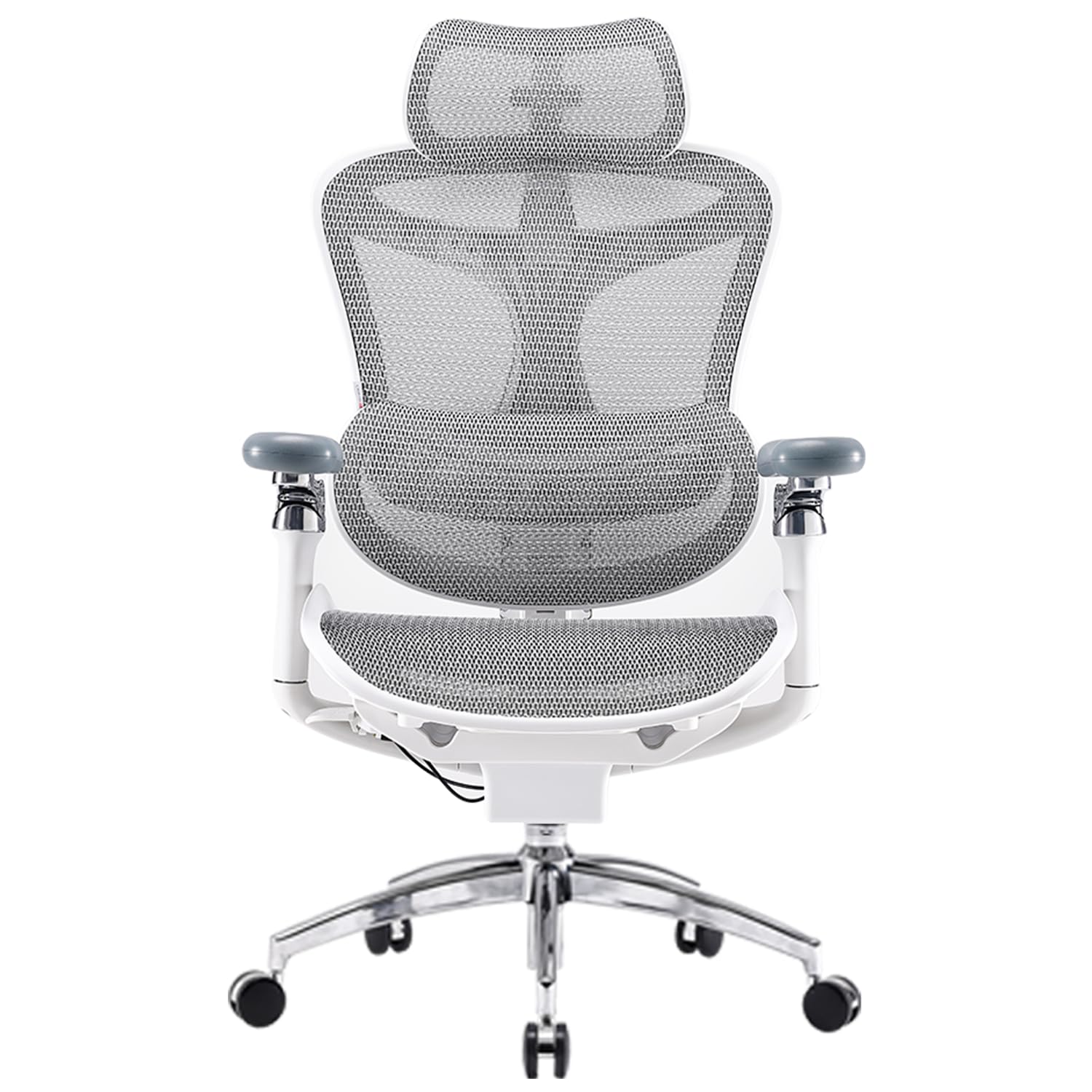
Read Amazon ReviewsSIHOO Doro C300 Pro
A flexible mesh office chair for taller users who want adaptive lumbar support, adjustable seating, and broad armrest positioning.
- Adaptive dynamic lumbar support is designed to move as the sitter shifts position.
- Soft 6D armrests adjust in five directions and coordinate with the backrest when reclining.
- The seat is wider and includes seat-depth adjustment, a combination intended to better accommodate taller users.
- Recline settings are 105, 120, and 135 degrees, with a weight-sensing mechanism intended to adjust reclining response.

Pros
- Multiple adjustments let buyers tune the backrest, seat depth, headrest, and armrests to their setup.
- Adaptive lumbar support is designed to follow changes in posture.
Consider before buying
- The number of adjustments may be unnecessary for buyers who want a simple chair with few settings.
- The description does not provide seat dimensions or a user-height range, so buyers should confirm fit details before purchase.
Read the full review summary
The Doro C300 Pro combines several adjustments that address different parts of a desk setup: the backrest changes height and position, the seat depth can be adjusted, and the lumbar support is designed to move with the sitter.
Its three recline positions and weight-sensing mechanism add options for shifting from upright work to a more relaxed posture.
The wider seat and adjustable depth are especially relevant for taller users, while the breathable mesh and adjustable headrest provide further fit options.
This is a feature-rich design, so its appeal depends on whether you will use those adjustments; buyers should check the chair’s dimensions and fit against their own body and desk before choosing.
The buying factors
Doro C300 Pro Scorecard
Editorial scores reflect listed features and buyer fit; they are not laboratory measurements or customer ratings.
Posture adjustment range
Seat depth, backrest height and position, headrest, and three recline angles give buyers several ways to tailor the sitting position.
Lumbar support design
The adaptive support is designed to move with the sitter, which is a useful fit for people who change posture while working.
Armrest flexibility
The soft 6D armrests adjust in multiple directions and coordinate with the backrest during recline.
Taller-user fit
A wider seat and adjustable seat depth are promising options for taller users, though individual fit still depends on dimensions and body proportions.
Reclining options
Three positions up to 135 degrees and weight-sensing adjustment support changes between working and relaxing.
Breathability
The mesh construction is designed to allow airflow across the chair.
Long-term support
The chair includes a three-year parts commitment and cites several standards and certifications, though these do not establish personal comfort or fit.
Key Features and Specifications of Doro C300 Pro
- Adaptive dynamic lumbar support is designed to move as the sitter shifts position.
- Soft 6D armrests adjust in five directions and coordinate with the backrest when reclining.
- The seat is wider and includes seat-depth adjustment, a combination intended to better accommodate taller users.
- Recline settings are 105, 120, and 135 degrees, with a weight-sensing mechanism intended to adjust reclining response.
- The backrest has four adjustable positions and moves vertically by up to 2.36 inches.
- A 3D adjustable headrest and breathable mesh complete the chair’s contact and airflow features.
- The product description identifies REACH, EN1335, TUV, and SGS BIFMA compliance or certification, and a three-year period for free replacement parts.
Pros and Cons of Doro C300 Pro
Pros
- Multiple adjustments let buyers tune the backrest, seat depth, headrest, and armrests to their setup.
- Adaptive lumbar support is designed to follow changes in posture.
- Weight-sensing recline may make it easier to move between upright work and leaning back.
- Wider seating and seat-depth adjustment make the design worth considering for taller users.
Consider before buying
- The number of adjustments may be unnecessary for buyers who want a simple chair with few settings.
- The description does not provide seat dimensions or a user-height range, so buyers should confirm fit details before purchase.
- The chair’s broad recline range and moving components make it important to check how its adjustments work with your desk and preferred working posture.
Who Should Buy Doro C300 Pro?
Good fit
Consider the Doro C300 Pro if you work at a desk for extended periods and value the ability to change several contact points rather than relying on one fixed position.
Its adjustable seat depth, movable backrest, and adaptive lumbar support address fit and posture together, while the 6D armrests offer flexibility for typing, gaming, and reclining.
It is also a plausible option for taller users who often find standard seat depth limiting.
Before buying, compare the actual seat dimensions and adjustment range with your leg length, desk height, and preferred posture; a feature list cannot guarantee a comfortable fit.
Who should skip it
Skip it if you prefer a straightforward chair with minimal setup and do not expect to adjust the backrest, seat depth, or armrests.
If you have a specific fit requirement, such as a precise seat height or width, check those measurements with the seller before committing; the available description does not give a complete dimensional chart.
What the Doro C300 Pro’s adjustments mean for daily use
A backrest designed to follow posture
The chair’s adaptive lumbar support and flexible triangular back frame are intended to move with the sitter’s upper-body shifts.
That design may appeal to people who alternate between leaning toward a screen and sitting back, though the right support feel remains personal and should be judged by fit rather than by the feature name alone.
Seat depth matters as much as seat width
A wider seat can feel less restrictive, while seat-depth adjustment gives buyers another way to position the cushion relative to their thighs.
This is a useful combination to investigate for taller users, but comfort also depends on the final dimensions and whether the seat leaves a comfortable gap behind the knees.
Recline as a change of posture
The three listed angles provide distinct positions for focused work and breaks, and the weight-sensing mechanism is intended to adapt reclining to the user.
Buyers who recline frequently may appreciate this approach; those who mainly sit upright may get less value from it. Check that the chair and desk allow enough room for the recline positions you expect to use.
Armrest range and setup flexibility
The 6D armrests are designed to adjust in multiple directions and move in coordination with the backrest. This could help users align arm support across different tasks and positions.
When setting up the chair, consider whether the armrests can sit comfortably with your desk height and keyboard position.
Alternatives to Doro C300 Pro
Home Office Desk Chairs alternative
17,000+ ratings
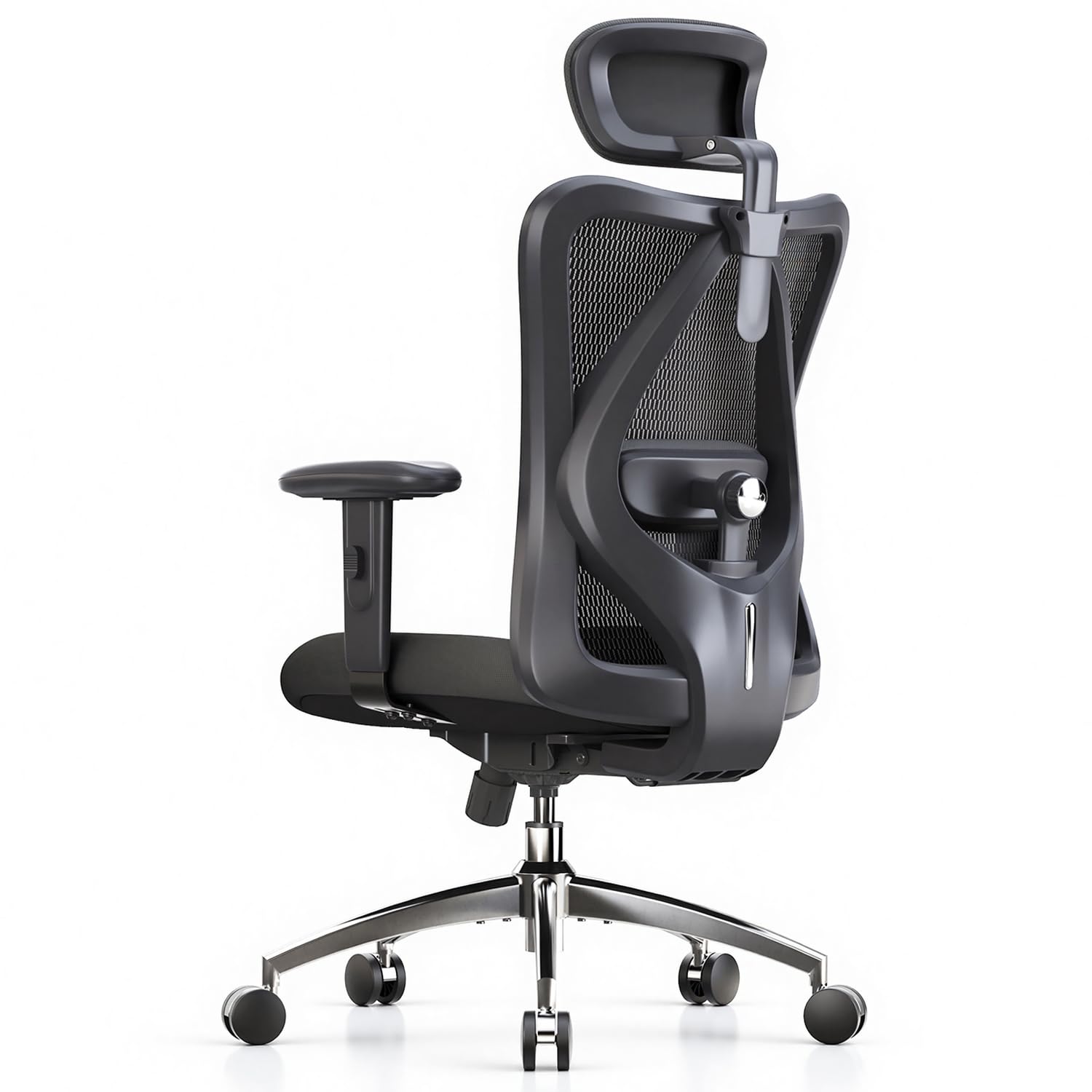
Read Amazon ReviewsSIHOO M18 Ergonomic Office Chair
Consider the M18 if its listed height range matches you and you want a simpler set of adjustments. The Doro C300 Pro is the more fitting direction if seat-depth adjustment and more extensive armrest positioning are priorities.
- The M18 lists adjustable seat height, headrest, lumbar support, and back support, with 2D armrests and a mesh back.
- Its description gives a recommended height range of 5 feet 6 inches to 6 feet 2 inches.
- The Doro C300 Pro focuses on broader adjustability, including seat-depth changes, a moving backrest, adaptive lumbar support, and multi-directional armrests.
Home Office Desk Chairs alternative
1,000+ ratings
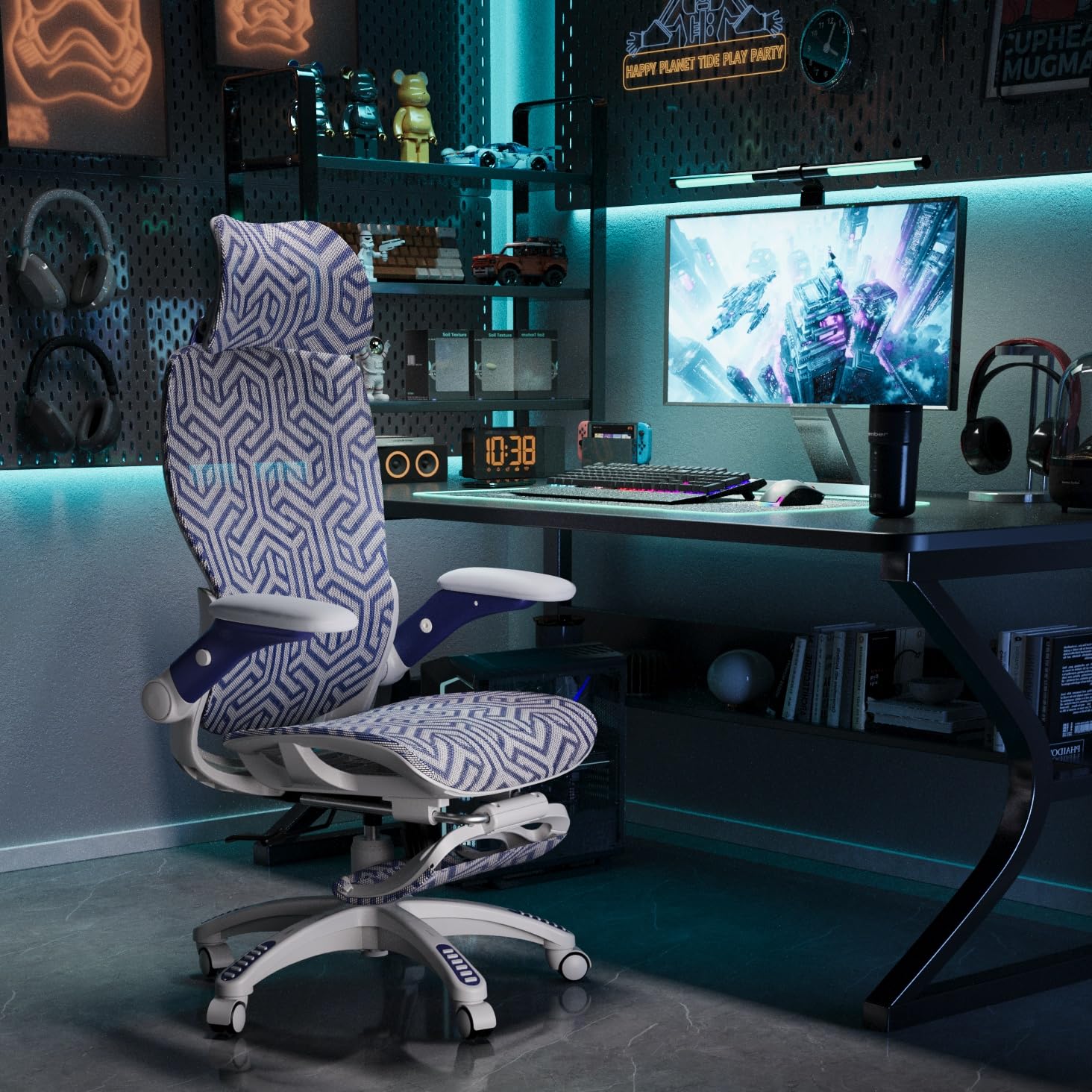
Read Amazon ReviewsELABEST X100 Ergonomic Mesh Office Chair
Choose the X100 if a footrest is central to your work-and-break routine and its listed capacity and height range fit your needs.
The Doro C300 Pro is a more relevant choice if you want seat-depth adjustment and the specified weight-sensing recline design.
- The ELABEST X100 lists a retractable footrest, 5D flip-up armrests, adjustable lumbar support, and a three-stage recline.
- Its description also gives a seat-height range and a stated 300-pound capacity.
- The Doro C300 Pro offers a wider seat, adjustable seat depth, adaptive lumbar support, and recline positions up to 135 degrees, with no footrest mentioned in its description.
Is Doro C300 Pro Worth It?
The SIHOO Doro C300 Pro is worth considering for desk users who want a chair that can be adjusted at the seat, back, lumbar area, headrest, and armrests.
Its feature set is particularly relevant to taller users and people who change posture often, but the available details do not establish a universal fit.
Check the full dimensions and make sure the adjustment range suits your body and workspace before buying.
If those details align with your needs, its combination of adaptive support and recline flexibility makes it a capable option for a home office.
Your review at a glance
1,000+ ratings
Read Amazon ReviewsSIHOO Doro C300 Pro
A flexible mesh office chair for taller users who want adaptive lumbar support, adjustable seating, and broad armrest positioning.
- Adaptive dynamic lumbar support is designed to move as the sitter shifts position.
- Soft 6D armrests adjust in five directions and coordinate with the backrest when reclining.
- The seat is wider and includes seat-depth adjustment, a combination intended to better accommodate taller users.
- Recline settings are 105, 120, and 135 degrees, with a weight-sensing mechanism intended to adjust reclining response.