The SIHOO Doro S100 is designed for desk workers who want a chair that adjusts across the lower back, arms, backrest, and seat.
This sihoo s100 chair review looks at how those features may suit different work routines, and where the chair’s specific adjustment range matters.
Doro S100 Review Summary
The quick verdict
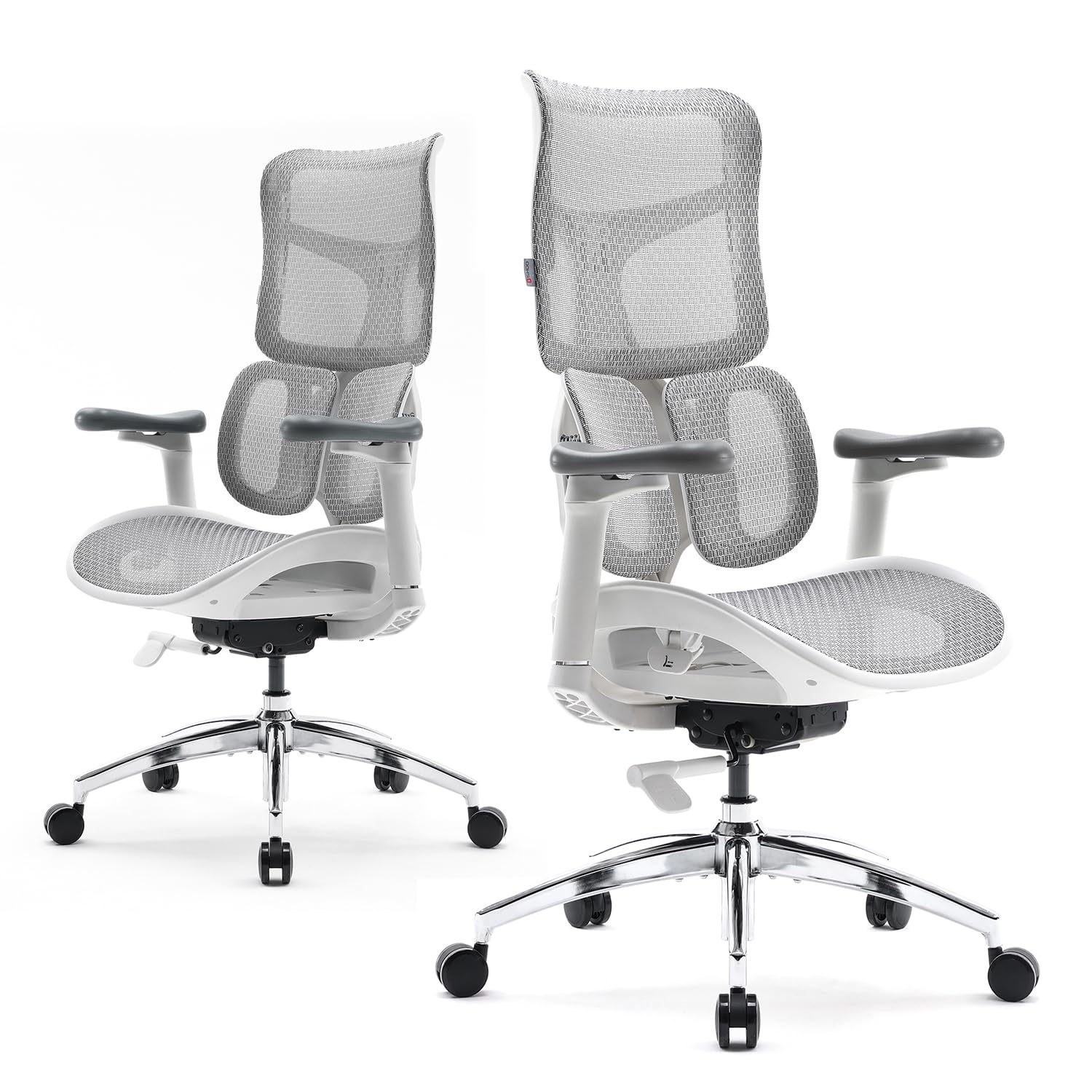
100+ ratings
Read Amazon ReviewsSIHOO Doro S100
A strong fit for home-office users who want adaptive lumbar support, coordinated armrests, and several ways to tailor the backrest and seat.
- Dual dynamic lumbar support with a four-spring adaptive mechanism, described as making six-dimensional adjustments to follow different body shapes and postures.
- Four-direction armrest adjustment: up or down by 2.76 inches, forward or backward by 1.18 inches, and inward or outward through a 72-degree range.
- Armrests have an ultra-soft, thick surface and are designed to coordinate with the backrest when reclining.
- Independent backrest adjustment with five upper-back positions; the stated suitable height range is 5 feet to 6 feet 3 inches.

Pros
- Multiple adjustment points make it possible to tailor lumbar, arm, back, and seat positions.
- Armrests move in several directions and coordinate with the backrest during recline.
Consider before buying
- The supplied details do not specify recline angles, tilt-lock options, or tension adjustment, so buyers who prioritize particular reclining positions should confirm those controls before choosing.
- Seat width and total seat-depth dimensions are not given; check the chair’s fit carefully if you need a particularly wide or deep sitting surface.
Read the full review summary
The Doro S100’s defining feature is its dual dynamic lumbar system, paired with coordinated armrests that move with the backrest during recline.
It also offers five backrest height positions and a seat depth range of 1.97 inches, giving buyers several ways to adjust the chair around their posture and proportions.
This combination may appeal to people who spend much of the day at a home-office desk and like to shift position while working.
Its backrest is described as suitable for users from 5 feet to 6 feet 3 inches tall, but individual fit still depends on proportions and desk setup; check that the seat depth and armrest positions work for you.
The buying factors
Doro S100 Scorecard
Editorial scores reflect listed features and buyer fit; they are not laboratory measurements or customer ratings.
Lumbar adaptability
The dual dynamic support uses a four-spring mechanism and is described as adapting in six dimensions, a notably adjustable design for changing postures.
Armrest adjustment
The padded armrests adjust vertically, forward and backward, and inward and outward, and coordinate with the backrest when reclining.
Backrest fit
Five upper-back positions and a stated fit range from 5 feet to 6 feet 3 inches offer useful flexibility for different heights.
Seat customization
A 1.97-inch seat-depth adjustment and waterfall-shaped cushion add fit options, though the supplied details give no seat width or total depth.
Recline support
The armrests are designed to coordinate with the backrest during recline, but the details do not specify the recline positions or lock settings.
Material and quality credentials
High-resilience mesh and BIFMA and SGS certifications are listed, while the information provides limited detail about other materials or warranty terms.
Key Features and Specifications of Doro S100
- Dual dynamic lumbar support with a four-spring adaptive mechanism, described as making six-dimensional adjustments to follow different body shapes and postures.
- Four-direction armrest adjustment: up or down by 2.76 inches, forward or backward by 1.18 inches, and inward or outward through a 72-degree range.
- Armrests have an ultra-soft, thick surface and are designed to coordinate with the backrest when reclining.
- Independent backrest adjustment with five upper-back positions; the stated suitable height range is 5 feet to 6 feet 3 inches.
- High-resilience mesh fabric is used for the back support.
- Seat depth adjusts through a 1.97-inch range, and the cushion has a waterfall-shaped front edge.
- The product information identifies BIFMA and SGS certifications.
Pros and Cons of Doro S100
Pros
- Multiple adjustment points make it possible to tailor lumbar, arm, back, and seat positions.
- Armrests move in several directions and coordinate with the backrest during recline.
- Five backrest positions and the stated height range may help accommodate a wider variety of users than a fixed-height back.
- Adjustable seat depth offers a way to tune thigh support to leg length.
Consider before buying
- The supplied details do not specify recline angles, tilt-lock options, or tension adjustment, so buyers who prioritize particular reclining positions should confirm those controls before choosing.
- Seat width and total seat-depth dimensions are not given; check the chair’s fit carefully if you need a particularly wide or deep sitting surface.
- The listed height range is a general guide. People near either end of that range should pay close attention to where the backrest and lumbar support land on their bodies.
Who Should Buy Doro S100?
Good fit
Consider the Doro S100 if you want a chair with active lumbar support and enough adjustment points to tune the fit around your lower back, arms, and legs.
The linked armrests may be useful if you alternate between upright desk work and leaning back, while the five-position backrest gives you a way to set upper-back support at different heights.
It is a particularly relevant option for a shared home office where users fall within the stated 5-foot to 6-foot 3-inch range, since the backrest height and seat depth can both be adjusted.
Before buying, compare those adjustment ranges with your own preferred sitting posture and desk height; armrest alignment can affect how comfortably you reach the keyboard.
The mesh back and waterfall-shaped seat add to the chair’s ergonomic focus.
If you spend long stretches at a desk, consider whether the described support style and range of movement suit your routine, and verify any comfort or fit details that matter especially to you.
Who should skip it
Look elsewhere if your decision depends on a specific recline angle, a confirmed tilt lock, or a particular seat width. Those details are not included here, so check them before committing if they are essential to your setup.
The stated user-height range may not provide enough guidance if you are shorter or taller than its endpoints. In that case, prioritize a chair whose fit information matches your proportions more directly.
How the Doro S100’s adjustments shape everyday desk use
Adaptive lumbar support for changing posture
The dual dynamic lumbar mechanism is intended to move with the sitter rather than hold one fixed position.
Its four springs and six-dimensional adjustment description suggest a design aimed at following different shapes and posture changes; the practical question is whether the support meets your lower back where you need it when sitting upright and when shifting.
Armrests that follow the recline
The armrests’ range combines vertical, front-to-back, and inward/outward movement, with coordination during recline. That can help users keep arm support closer to their preferred position as the backrest moves.
Check that the armrests can be set at a comfortable height for your desk, since a chair arm that sits too high or low can interfere with relaxed keyboard use.
Backrest and seat fit
Five backrest positions give the upper support a degree of height tuning, while the stated user range provides a starting point for judging fit.
Seat depth adjustment adds another useful dimension: it can help align the cushion with the thighs, but buyers should confirm that the available range suits their leg length and preferred space behind the knees.
What to confirm before choosing
The design description gives meaningful information about lumbar, arm, backrest, and seat adjustments, but not every fit detail.
If recline angle, locking behavior, seat dimensions, or a particular desk arrangement will determine your choice, verify those specifics and compare them with your daily working posture.
Alternatives to Doro S100
Home Office Desk Chairs alternative
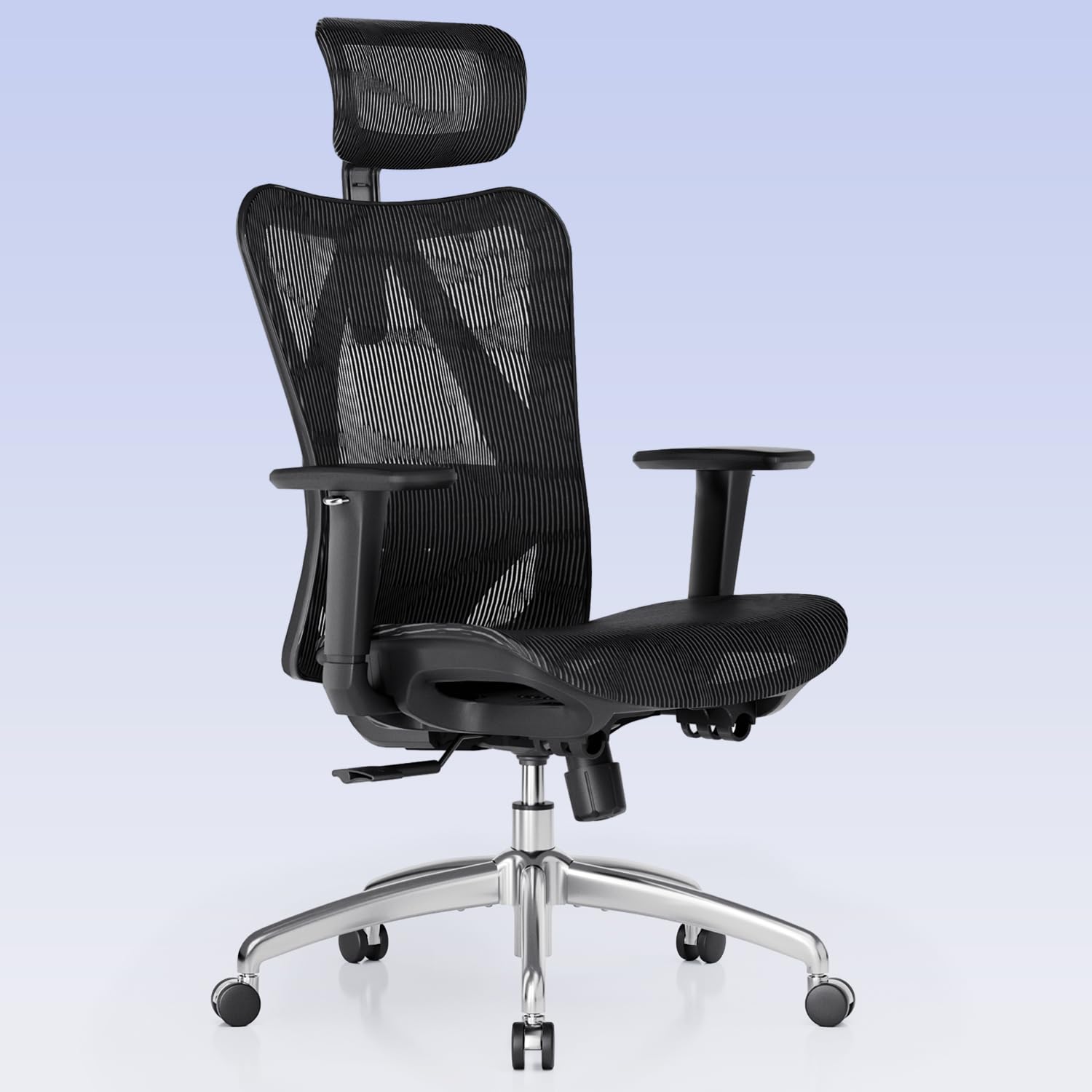
17,000+ ratings
Read Amazon ReviewsSIHOO M57
Consider the Doro S100 if you value its specified seat-depth adjustment, five-position backrest, and four-direction coordinated armrests.
The M57 may be a better fit if an adjustable headrest and a stated recline range are more important to your decision.
- The M57 includes a height- and depth-adjustable lumbar support, an adjustable headrest, a waterfall-edge seat, and a recline range described as 90 to 126 degrees.
- Its armrests are three-dimensional.
- The Doro S100 has dual dynamic lumbar support, five backrest height positions, seat-depth adjustment, and four-direction armrests that coordinate with the backrest when reclining.
Home Office Desk Chairs alternative
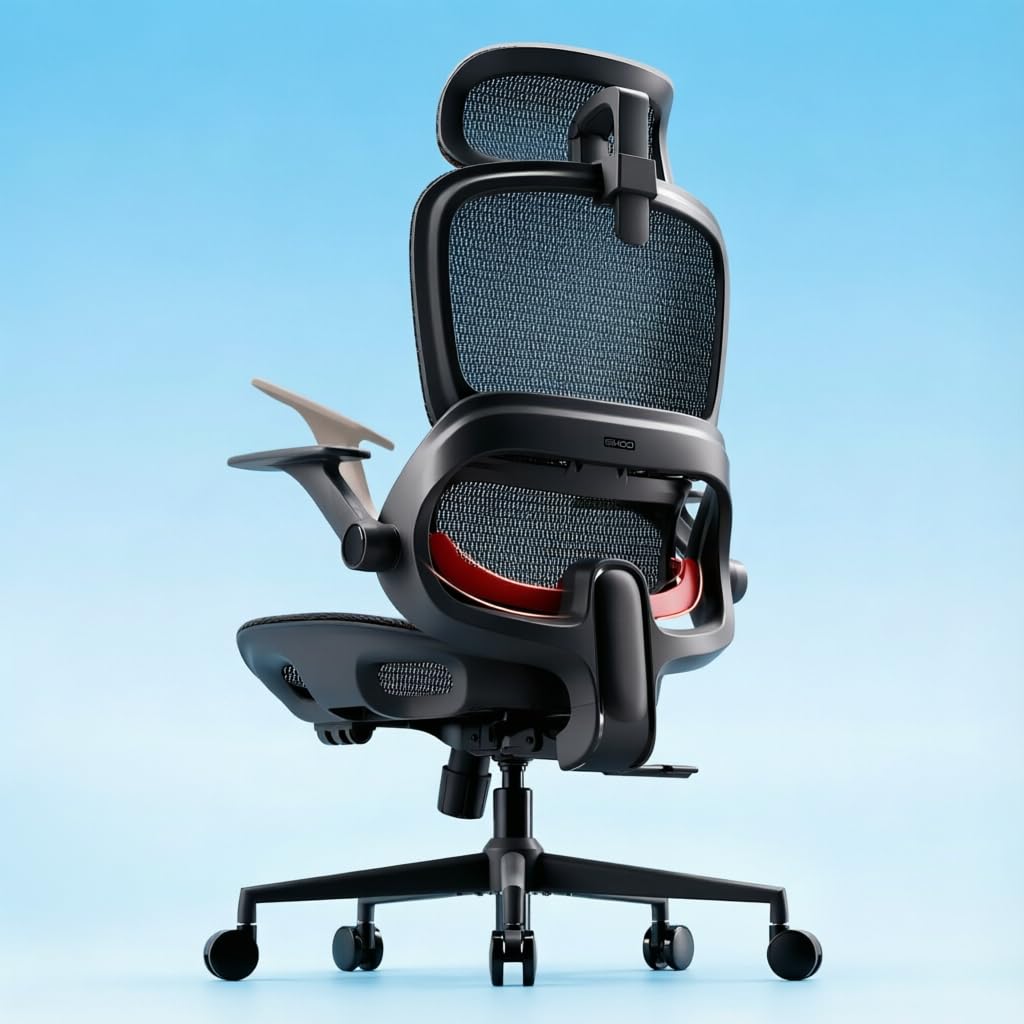
17,000+ ratings
Read Amazon ReviewsSIHOO B100
The Doro S100 offers more described backrest-height tuning and a stated seat-depth adjustment range. Choose the B100 if you prefer flip-up arms for tucking the chair under a desk and want recline positions explicitly specified.
- The B100 has adaptive lumbar support, three recline positions at 110, 125, and 135 degrees, a wide headrest, and flip-up armrests that adjust with the recline.
- Its full-mesh design includes a widened cushion.
- The Doro S100 pairs dual dynamic lumbar support with adjustable seat depth and a five-position backrest; its armrests adjust in four directions and coordinate with the backrest during recline.
Is Doro S100 Worth It?
The SIHOO Doro S100 is worth considering for home-office users seeking an adjustable ergonomic chair with dynamic lower-back support, coordinated armrests, and ways to tune backrest height and seat depth.
Its feature set addresses several common fit points, especially for people who shift posture during desk work.
Buy if its stated height range and adjustment style align with your body and workspace.
Confirm seat dimensions and the recline controls if either is central to your choice; those details will help determine whether the chair’s flexibility matches your everyday needs.
Your review at a glance
100+ ratings
Read Amazon ReviewsSIHOO Doro S100
A strong fit for home-office users who want adaptive lumbar support, coordinated armrests, and several ways to tailor the backrest and seat.
- Dual dynamic lumbar support with a four-spring adaptive mechanism, described as making six-dimensional adjustments to follow different body shapes and postures.
- Four-direction armrest adjustment: up or down by 2.76 inches, forward or backward by 1.18 inches, and inward or outward through a 72-degree range.
- Armrests have an ultra-soft, thick surface and are designed to coordinate with the backrest when reclining.
- Independent backrest adjustment with five upper-back positions; the stated suitable height range is 5 feet to 6 feet 3 inches.